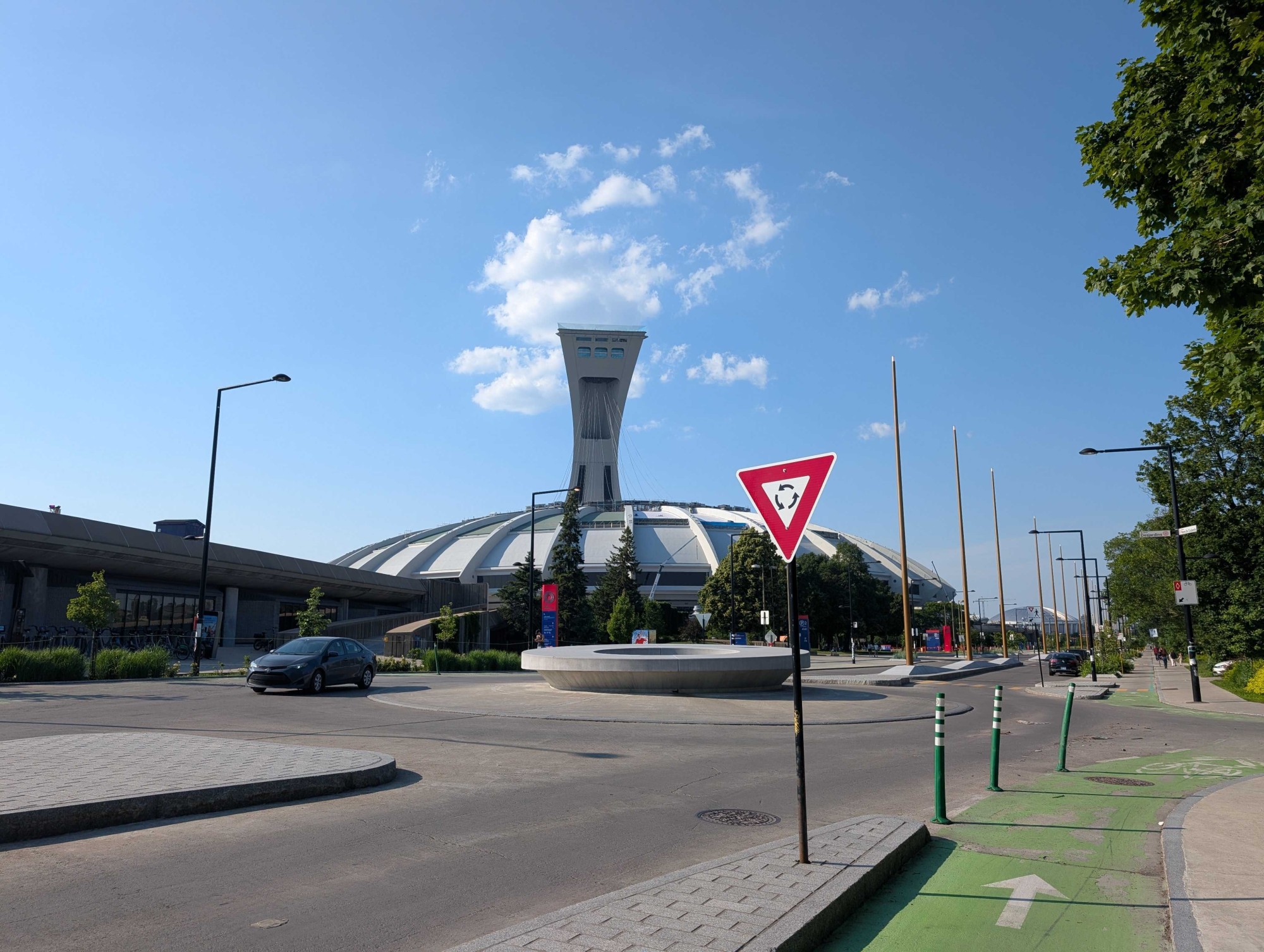
Driving rules in Quebec differ in important ways from Ontario and the United States, particularly when it comes to speed limits, right-of-way rules, penalties, and road signage.
Whether you are an Ontario resident planning a trip to Montreal, an American visitor exploring Quebec City, or a newcomer settling in the province, understanding these differences helps you drive safely and avoid unexpected fines.
This guide provides a clear comparison between Quebec driving rules and those in Ontario and the United States.
Quebec traffic laws are governed by the Code de la sécurité routière, which includes specific rules that may surprise drivers accustomed to other jurisdictions. Learning these differences before driving in Quebec allows you to adapt quickly and comply with local road safety expectations.
Are driving rules in Quebec different from Ontario and the USA?
Yes, driving rules in Quebec differ from both Ontario and the United States in several meaningful ways. Each jurisdiction maintains its own traffic legislation, and while the fundamental principles of road safety remain consistent, specific regulations vary considerably.
- Quebec’s traffic laws fall under the Code de la sécurité routière, administered by the Société de l’assurance automobile du Québec (SAAQ).
- Ontario operates under the Highway Traffic Act, enforced by the Ministry of Transportation.
- In the United States, traffic laws vary by state, though certain federal standards apply nationally.
Quebec places strong emphasis on pedestrian protection and has adopted specific measures that reflect a road safety philosophy prioritizing vulnerable users. The province also maintains distinct approaches to penalties, with demerit point accumulation and fine structures that differ from neighbouring jurisdictions.
These differences directly affect how drivers must behave behind the wheel, requiring habit adjustments to comply with Quebec’s pedestrian-focused and strictly enforced legal framework.
Key driving rules that are different in Quebec
Speed limits in Quebec vs Ontario vs the USA
Speed limits in Quebec are expressed exclusively in kilometres per hour, which may require mental conversion for American drivers accustomed to miles per hour. Default limits apply even when signs are not posted, making awareness of these standards essential.
- Urban areas:
- Quebec’s default urban speed limit is 50 km/h, the same as Ontario.
- Many Quebec municipalities enforce lower limits of 40 km/h or 30 km/h in residential areas, especially near schools and parks.
These reduced limits are common and strictly enforced.
- Rural roads:
- On rural roads outside built-up areas, Quebec’s default speed limit is 80 km/h when no signage is present.
- Ontario applies the same default rural limit.
- For American visitors, 80 km/h equals approximately 50 mph, which may feel slower than rural speed limits in many U.S. states.
- Highways and autoroutes:
- Most Quebec highways have a maximum speed limit of 100 km/h. Some major autoroutes allow 110 km/h on designated sections.
- Ontario also permits 110 km/h on select 400-series highways.
- In comparison, many U.S. interstates allow 65 to 75 mph (105 to 120 km/h), making Quebec’s limits comparatively moderate.
- Enforcement and penalties:
Speed enforcement in Quebec is strict, with widespread photo radar. Exceeding limits by 20 km/h or more leads to significantly higher fines and possible immediate licence suspension.
Right-of-way rules and intersections
Pedestrian priority at crosswalks
In Quebec, pedestrians always have priority at marked crosswalks, and drivers must stop completely to allow them to cross, even if the pedestrian has just stepped off the curb. This rule is strictly enforced, with significant fines for violations. While Ontario also grants priority to pedestrians, enforcement intensity and driver expectations are generally stricter in Quebec.
Uncontrolled intersections and four-way stops
At uncontrolled intersections in Quebec, the vehicle approaching from the right has priority. When two vehicles arrive at a four-way stop at the same time, the vehicle on the right proceeds first.
This rule is similar in Ontario and most U.S. jurisdictions but is applied consistently and strictly in Quebec.
Left turns and yielding obligations
In Quebec, drivers making a left turn must always yield to oncoming traffic and to pedestrians crossing the street they are entering, unless a protected green arrow is displayed. Turning left across oncoming traffic without adequate clearance can result in significant fines, particularly if a collision occurs.
Turning right on red in Quebec
Turning right on a red light is generally permitted after a complete stop and after yielding to pedestrians and cross-traffic. This rule is similar to Ontario and most U.S. states.
However, right turns on red are prohibited everywhere on the island of Montreal. This ban applies across all boroughs of the island and is strictly enforced, with significant fines for violations. Unlike the rest of Quebec, there are no signs that permit the manoeuvre on the island.
Outside Montreal, right turns on red remain permitted unless a sign indicates otherwise. Drivers should always check for posted restrictions, particularly near schools or busy intersections.
Demerit points, fines, and penalties: what out-of-province drivers should know
Out-of-province drivers must follow Quebec traffic laws, regardless of where their licence was issued. Quebec’s rules apply in full to Ontario and U.S. drivers, and traffic violations can be reported to the driver’s home jurisdiction and affect their driving record or insurance.
For Ontario drivers, convictions received in Quebec are reported to Ontario authorities under interprovincial agreements. The Quebec demerit points themselves do not transfer. Instead, Ontario records the offence and applies the demerit points associated with the closest equivalent offence under Ontario law.
For U.S. drivers, many states participate in cross-border information-sharing agreements, meaning Quebec violations may appear on a U.S. driving record and influence insurance premiums or licence status. Quebec has reciprocity agreements with Maine and the State of New York, so violations in Quebec are processed as if they had occurred locally in those states.
Key takeaway:
Quebec traffic fines are often higher than drivers expect and include mandatory surcharges added to the base amount. All fines must be paid within the prescribed deadline, including by non-residents. Failure to pay can result in additional penalties or administrative consequences.
Alcohol, cannabis, and zero-tolerance rules in Quebec
Quebec applies strict
impaired driving laws, including zero-tolerance rules for certain drivers. Drivers aged 21 and under, those holding a learner’s or probationary licence, and some commercial drivers must have a blood alcohol concentration of zero at all times.
Key thresholds to know when driving in Quebec:
- 0.00% BAC for drivers under 22, learner or probationary licence holders, and some commercial drivers
- 0.05% BAC triggers immediate administrative penalties, including licence suspension
- 0.08% BAC is the criminal limit, consistent with Ontario and most U.S. states
Cannabis impairment follows a similar approach:
- Zero detectable THC for drivers under 22 and for learner or probationary licence holders
- Roadside drug testing is permitted
- Penalties mirror those applied for alcohol impairment
U.S. drivers should also note that bringing cannabis into Canada is illegal, regardless of state laws. In Quebec, driving after cannabis use is strictly enforced and can result in fines, licence suspension, and long-term driving record consequences.
Mobile phone use and distracted driving
Quebec prohibits all handheld mobile phone use while driving, including calls, texting, or interacting with a screen. A phone may only be used if it is mounted and operated by voice command or a single tap.
Fines for distracted driving are high, even for a first offence, and include mandatory demerit points. Repeat violations lead to heavier penalties and significantly increase the risk of licence suspension.
Although Ontario has similar rules, enforcement in Quebec is among the strictest in Canada, and enforcement levels vary widely across U.S. states.
Mandatory winter tires in Quebec
One rule that surprises many Ontario and American drivers is Quebec’s mandatory winter tire requirement. All passenger vehicles registered in Quebec must be equipped with winter tires bearing the official mountain-and-snowflake (3PMSF) symbol from December 1 to March 15. This certification confirms that the tires meet provincial winter performance standards.
This requirement also applies to vehicles driven in Quebec during this period, including those registered outside the province, with limited exceptions. Ontario recommends but does not legally require certified winter tires, and no U.S. state has an equivalent province-wide mandate. Driving in Quebec without compliant winter tires during the mandatory period can result in fines and may affect insurance coverage in the event of an accident.
Road signs and markings unique to Quebec
Quebec road signs are primarily in French, which can surprise drivers from Ontario or the United States. Most regulatory signs rely on standard international symbols, but many informational and advisory signs require basic familiarity with French terms.
Common Quebec road signs to recognize:
- ARRÊT: stop
- CÉDEZ: yield
- STATIONNEMENT INTERDIT: no parking
- ÉCOLE: school zone
- SORTIE: highway exit
Quebec also uses a flashing green traffic light with a meaning that differs from most other jurisdictions. In Quebec, a flashing green light indicates an advanced green phase, allowing protected left turns while oncoming traffic faces a red light.
In many other regions, flashing green lights are associated with pedestrian-controlled signals. Misinterpreting this signal can lead to unsafe turning movements.
Road markings generally follow standard North American conventions, but Quebec uses distinct markings for bicycle lanes and bus-only lanes that may look unfamiliar to visiting drivers. Paying close attention to lane markings and posted signs helps avoid unintentional violations.
Quebec vs Ontario vs USA: driving rules comparison table
| Rule | Quebec | Ontario | USA (varies by state) |
| Urban speed limit (default) | 50 km/h | 50 km/h | 25–35 mph (40–56 km/h) |
| Highway speed limit | 100–110 km/h | 100–110 km/h | 65–75 mph (105–120 km/h) |
| Right turn on red | Permitted except Montreal island | Permitted unless signed | Permitted in most states |
| Pedestrian priority at crosswalks | Strictly enforced | Required | Varies by state |
| Blood alcohol limit | 0.08% (0.05% administrative) | 0.08% (0.05% warning) | 0.08% (most states) |
| Zero tolerance (young drivers) | Under 22 or learner/probationary | Under 22 or novice | Under 21 (most states) |
| Handheld phone use | Prohibited | Prohibited | Varies by state |
| Demerit points for suspension | 15 points (4 for new drivers) | 15 points (9 for novice) | Varies by state |
| School zone speed limits | Typically 30 km/h | Varies by municipality | 15–25 mph |
| Winter tires | Mandatory Dec 1 - Mar 15 | Not mandatory | Not mandatory |
| Sign language | French | English | English |
Do you need to change your driving habits when driving in Quebec?
Yes. Drivers from Ontario or the United States usually need to make minor adjustments when driving in Quebec, but no major behavioural change is required.
The core principles of safe driving remain the same: follow posted speed limits, yield when required, avoid distractions, and never drive impaired. Quebec’s differences relate mainly to stricter pedestrian priority, lower speed limits in some areas, mandatory winter tires, and more consistent enforcement.
Most drivers adapt quickly once they understand these points. Approaching Quebec roads with attention to signage and awareness of local rules helps prevent fines and makes driving predictable rather than stressful.
How to learn Quebec driving rules before driving
The most reliable way to learn Quebec driving rules is to use structured, locally focused resources before arriving or getting behind the wheel. Tecnic training materials and theory modules are specifically designed to help learners understand how Quebec road rules apply in real driving situations, making them a practical starting point for newcomers and future drivers.
The SAAQ publishes complete and up-to-date information on traffic laws, penalties, and road safety. Its Driving a Passenger Vehicle handbook, available in English, clearly explains Quebec-specific rules and enforcement practices and serves as the official regulatory reference. Used alongside Tecnic learning resources, it provides a complete and reliable foundation for understanding Quebec driving rules, even for experienced drivers.
Drivers from Ontario benefit from reviewing SAAQ materials alongside familiar Ministry of Transportation (MTO) guidelines to identify key differences, especially around pedestrian priority, Montreal-specific restrictions, and penalty structures.
U.S. drivers should take time to understand metric speed limits and common French road signs before driving. Knowing that 100 km/h equals approximately 62 mph and that ARRÊT means stop prevents confusion and unintended violations.
For drivers seeking structured guidance, Quebec-based driving schools such as Tecnic provide instruction and resources aligned with current SAAQ requirements. Their expertise reflects local enforcement realities and helps drivers understand how Quebec rules differ from those in other jurisdictions.
Driving in Quebec with confidence: what to remember
Quebec driving rules are similar to those in Ontario and the United States, but include important local differences. Drivers must pay particular attention to lower speed limits in some areas, strict pedestrian priority, the ban on right turns on red in Montreal, mandatory winter tires, and French-language road signs.
Understanding these rules before driving in Quebec helps avoid fines and allows most drivers to adapt quickly, often within their first day on the road.
Frequently asked questions about driving rules in Quebec
Are Quebec driving rules stricter than Ontario?
Quebec and Ontario both enforce serious traffic safety laws, but they differ in specific areas. Quebec places strong emphasis on pedestrian priority enforcement and has a province-wide ban on right turns on red in Montreal, which does not exist in Ontario.
Quebec also uses administrative penalties at a lower blood alcohol threshold than Ontario’s warning range and requires winter tires by law during the winter months. Both provinces apply substantial fines and penalties to promote road safety.
Can U.S. drivers legally drive in Quebec?
Yes. U.S. drivers with a valid U.S. driver’s licence can legally drive in Quebec for up to six consecutive months, provided their licence is valid and authorizes the type of vehicle they are driving. After six months of residency, a Quebec driver’s licence is required, with the exchange process depending on SAAQ agreements and the origin of the licence.
Can Ontario drivers get fined in Quebec?
Yes. Ontario drivers are fully subject to Quebec traffic laws and can receive fines like any other driver. Quebec and Ontario share conviction information through interprovincial agreements, and these convictions are recorded by the SAAQ. While demerit points from Ontario may be entered on a Quebec driving record under certain agreements, points are processed according to Quebec’s system and remain on file for two years.
Where can I learn Quebec driving rules quickly?
The fastest way to learn Quebec driving rules is through practical Quebec-specific resources such as Tecnic training materials and theory modules. These resources are designed to explain how Quebec road rules apply in real-world driving situations and help learners quickly grasp the most important regulations and local driving expectations.
Official SAAQ resources remain the regulatory reference. The SAAQ website provides comprehensive information on traffic laws, licensing, and road safety, and the Driving a Passenger Vehicle handbook explains Quebec’s rules in accessible language, even for experienced drivers. Used alongside Tecnic learning resources, it provides a complete and reliable foundation.
Reviewing key sections on speed limits, pedestrian interactions, right turns on red, winter tire requirements, and French signage helps drivers understand local expectations before driving in Quebec.
Do I need winter tires to drive in Quebec?
Yes. Between December 1 and March 15, all passenger vehicles driven in Quebec must be equipped with approved winter tires. This rule applies to visitors and residents alike. Driving without winter tires during this period can result in fines. Ontario and U.S. states do not have equivalent mandatory requirements, making this one of the most important differences for out-of-province drivers to be aware of.