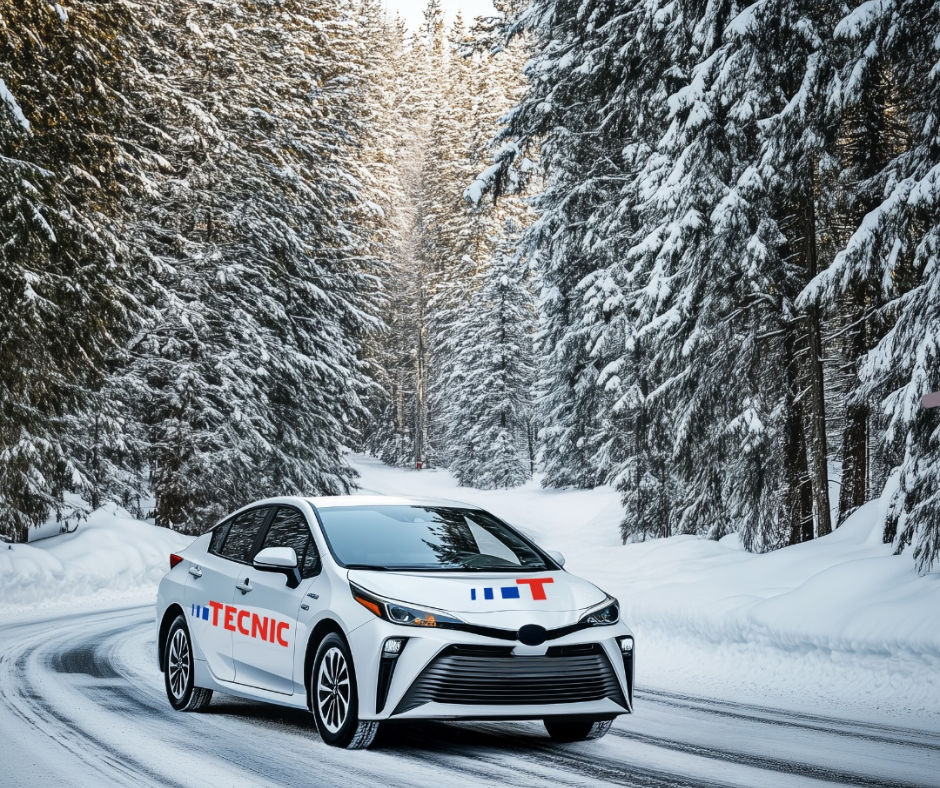




When employees drive as part of their job duties, workplace safety extends far beyond the office walls. Defensive driving represents a critical component of comprehensive workplace safety programs, particularly for Quebec businesses where winter conditions and diverse road environments create unique challenges. Understanding what defensive driving entails and recognizing its importance can transform your organization’s approach to employee safety and risk management.
Modern workplaces increasingly rely on mobile employees, delivery services, and company vehicle fleets. This reality makes defensive driving training not just beneficial but essential for protecting both human resources and business assets. The principles of defensive driving go beyond basic traffic rules, encompassing proactive strategies that help drivers anticipate, recognize, and respond to potential hazards before they become accidents.
At Tecnic, we’ve been training Quebec drivers for over 40 years. Through our corporate division, we work with businesses across the province to build safer, more confident teams on the road. This guide draws on that experience to help employers understand what defensive driving involves and how to implement it effectively.
Understanding defensive driving fundamentals
Core principles of defensive driving
Defensive driving operates on five fundamental principles that distinguish it from routine driving habits:
- Maintaining constant awareness. Attentive drivers continuously scan surrounding traffic, weather conditions, and road hazards. This heightened awareness allows them to process information quickly and make informed decisions that prioritize safety over convenience.
- Safe following distances. Professional drivers must understand that stopping distances increase dramatically in adverse conditions, particularly during Quebec’s challenging winter months. The traditional three-second rule becomes inadequate when roads are slippery or visibility is reduced.
- Speed management. Drivers must adjust their velocity based on current conditions rather than posted speed limits. Safe driving speeds often fall below legal maximums when weather, traffic, or road conditions deteriorate.
- Defensive positioning. Skilled defensive drivers position their vehicles to maximize escape routes and minimize exposure to potential conflicts with other vehicles, pedestrians, or obstacles.
- Effective communication. Proper signaling, eye contact, and predictable movements help other road users understand intentions and reduce the likelihood of misunderstandings that lead to accidents.
Distinguishing defensive from aggressive driving
Many drivers confuse assertive driving with defensive techniques, but these approaches differ significantly. Defensive driving prioritizes safety and collision avoidance over speed or efficiency, while aggressive driving focuses on personal convenience often at the expense of safety margins.
Defensive drivers anticipate problems and create buffer zones around their vehicles. They yield right-of-way even when legally entitled to proceed if doing so prevents potential conflicts. This approach contrasts sharply with aggressive drivers who insist on their rights regardless of safety implications.
The defensive approach also involves emotional regulation and stress management. Professional drivers learn to remain calm under pressure, avoiding road rage incidents that can escalate into serious safety hazards or legal complications for their employers.
Why defensive driving matters for Quebec workplaces
Legal obligations and liability considerations
Quebec employers face significant legal responsibilities when employees operate vehicles during work hours. The Commission des normes, de l’équité, de la santé et de la sécurité du travail (CNESST) requires employers to provide safe working conditions, which extends to driving activities performed as part of job duties.
Under Quebec’s occupational health and safety legislation, employers must ensure that employees receive adequate training for all work-related activities, including driving. With the modernized OHS regime under Bill 59 now fully in force since October 2025, employers are required to adopt a proactive, risk-based approach to prevention that includes identifying and addressing all workplace hazards, including those related to driving. Failure to provide appropriate defensive driving training can result in legal liability if accidents occur during work-related travel.
The concept of vicarious liability means that employers can be held responsible for employee actions performed within the scope of their employment. This legal principle makes defensive driving training not just a safety measure but a crucial risk management strategy that protects both employees and organizational assets.
| Legal Requirement | Employer Obligation | Potential Consequences |
| CNESST Compliance | Provide safe working conditions, including risk identification for driving activities | Fines and legal liability |
| Driver Training | Ensure adequate preparation for all work-related driving tasks | Increased insurance premiums |
| Vehicle Maintenance | Regular safety inspections and documentation | Criminal charges in severe cases |
Financial impact and cost reduction
The financial benefits of implementing comprehensive defensive driving programs extend far beyond avoiding accident costs. Insurance companies recognize the value of professional driver training and often provide substantial premium discounts for organizations that demonstrate commitment to road safety through certified training programs.
Fleet management costs decrease when drivers practice defensive techniques. Reduced wear on brakes, tires, and engines results from smoother driving patterns that avoid sudden acceleration and hard braking. Fuel consumption also improves when drivers maintain steady speeds and anticipate traffic flow changes.
Workers’ compensation claims related to vehicle accidents represent a significant expense for many Quebec employers. Defensive driving training reduces both the frequency and severity of these claims, leading to lower experience modification rates and reduced premium costs over time.
The indirect costs of workplace vehicle accidents often exceed direct expenses. Lost productivity, replacement worker training, administrative time, and potential legal fees can multiply the true cost of accidents by factors of three to five times the immediate expenses.
Employee safety and organizational culture
Workplace safety culture improves dramatically when organizations invest in comprehensive defensive driving training. Employees recognize that their employer values their wellbeing enough to provide professional development that protects them both on and off the job.
This investment in safety training often creates positive spillover effects throughout the organization. Employees who receive defensive driving training frequently apply risk assessment and hazard recognition skills to other aspects of their work, improving overall safety performance across all business operations.
The confidence that comes from professional driving training also reduces employee stress and anxiety related to work-related travel. This psychological benefit contributes to improved job satisfaction and employee retention, particularly for positions that require significant driving responsibilities.
Implementing effective defensive driving programs
Assessment and program design
Successful defensive driving programs begin with a thorough assessment of current driving practices and risk exposure within the organization. This evaluation should examine driver demographics, vehicle types, typical routes, and historical accident data to identify specific training needs and priorities.
Different employee groups require tailored approaches to defensive driving education. New drivers need comprehensive foundational training, while experienced drivers benefit from refresher courses that address specific risk areas or introduce new techniques.
The assessment phase should also consider seasonal factors unique to Quebec driving conditions. Winter driving skills require specialized attention, as do techniques for navigating construction zones and urban traffic patterns common in Montreal, Quebec City, and other major centres.
Organizations must establish clear policies regarding vehicle use, maintenance responsibilities, and reporting procedures for accidents or near-miss incidents. These policies provide the framework within which defensive driving techniques operate and ensure consistent application across all employees.
For employers looking to evaluate driver competency before hiring, Tecnic offers pre-employment driving evaluations that objectively assess a candidate’s skills and identify areas for development. Starting with a clear picture of driving ability helps you design more targeted training programs.
Training delivery and certification
Modern defensive driving training combines multiple delivery methods to accommodate different learning styles and scheduling constraints. Classroom instruction provides theoretical foundations and group discussion opportunities, while practical driving exercises allow hands-on skill development under professional supervision.
Online training modules offer flexibility for busy employees while ensuring consistent messaging across the organization. However, online training should supplement rather than replace practical driving instruction, particularly for employees who operate specialized vehicles or work in high-risk environments.
Through our corporate division, we provide personalized business training that meets Quebec’s specific regulatory requirements while addressing the unique challenges of Canadian driving conditions. Our programs combine theoretical knowledge with practical skills development, including access to our skid control simulator that can be brought directly to your workplace. Each session begins with a two-hour group theory block followed by individual practice on the simulator, giving every participant hands-on experience in a controlled environment.
As a certified training organization accredited by the CPMT (Commission des partenaires du marché du travail), Tecnic training qualifies under Quebec’s workforce skills development legislation (formerly known as the 1% Act). This means your investment in defensive driving training can count toward your mandatory training expenditure requirements.
Certification processes should include both written assessments and practical driving evaluations. Regular recertification ensures that skills remain current and that new safety techniques are incorporated into daily driving practices.
Ongoing monitoring and improvement
Effective defensive driving programs require continuous monitoring and refinement based on performance data and changing organizational needs. Key performance indicators should track accident rates, near-miss incidents, insurance claims, and employee feedback to measure program effectiveness.
Regular driver evaluations help identify individuals who may need additional training or support. These evaluations should focus on skill development rather than punishment, creating a positive learning environment that encourages continuous improvement.
Technology integration can enhance program effectiveness through telematics systems that monitor driving behaviours and provide real-time feedback to drivers. These systems can identify patterns that indicate the need for additional training or policy adjustments.
Quebec-specific driving challenges
Winter driving considerations
Quebec’s harsh winter conditions create unique challenges that require specialized defensive driving techniques. Snow, ice, and reduced visibility dramatically alter vehicle handling characteristics and require significant adjustments to normal driving practices.
Winter vehicle preparation forms a critical component of defensive driving in Quebec. Proper tire selection (winter tires are mandatory from December 1 to March 15), emergency equipment, and vehicle maintenance become essential safety measures that can prevent accidents and save lives during severe weather events.
Defensive drivers in Quebec must understand how to recognize and respond to different types of winter road conditions. Black ice, packed snow, and slush each require different approaches to speed management, steering inputs, and braking techniques.
The psychological aspects of winter driving also require attention. Many drivers experience increased anxiety during winter months, which can lead to poor decision-making and increased accident risk. Training programs should address these psychological factors alongside technical driving skills.
This is where specialized training makes the biggest difference. Tecnic’s defensive driving course on slippery surfaces is specifically designed for workplace teams. Our expert trainers can travel across Quebec with the simulator truck to deliver the training directly at your location, minimizing disruption to your operations while giving employees the practical experience they need.
Urban and rural driving environments
Quebec’s diverse geography creates varied driving environments that each present unique challenges for defensive drivers. Urban areas like Montreal and Quebec City feature heavy traffic, complex intersections, and frequent construction zones that require heightened awareness and quick decision-making skills.
Rural driving environments present different challenges, including wildlife encounters, limited lighting, and longer emergency response times. Defensive drivers must adapt their techniques to account for these factors while maintaining appropriate safety margins.
Construction zone navigation represents a particular challenge in Quebec, where road maintenance and improvement projects create constantly changing traffic patterns. Defensive drivers must remain alert for changing lane configurations, reduced speed limits, and the presence of construction workers and equipment.
Advanced defensive driving techniques
Hazard recognition and response
Advanced defensive driving involves developing sophisticated hazard recognition skills that allow drivers to identify potential problems before they become immediate threats. This skill requires understanding how different factors combine to create dangerous situations and knowing how to respond appropriately.
Scanning techniques help drivers gather information from their entire driving environment rather than focusing solely on the vehicle immediately ahead. Effective scanning involves regular checks of mirrors, blind spots, and peripheral vision areas to maintain complete situational awareness.
The concept of space management extends beyond simple following distances to include lateral spacing, escape route planning, and positioning relative to other vehicles. Advanced drivers learn to create and maintain safety buffers in all directions whenever possible.
Response techniques must be practiced until they become automatic reactions. Emergency braking, evasive steering, and skid recovery require muscle memory that can only be developed through repeated practice under controlled conditions.
Technology integration and modern tools
Modern vehicles include numerous safety technologies that can enhance defensive driving effectiveness when properly understood and utilized. Anti-lock braking systems, electronic stability control, and collision avoidance systems require drivers to understand their capabilities and limitations.
Navigation systems and traffic apps provide valuable information for route planning and hazard avoidance, but they can also create distractions if not used properly. Defensive drivers learn to use these tools effectively while maintaining focus on immediate driving tasks.
Fleet management systems can provide valuable feedback to both drivers and supervisors about driving performance and areas for improvement. These systems work best when integrated into comprehensive training programs rather than used solely for monitoring and enforcement.
Measuring program success
Key performance indicators
Successful defensive driving programs require measurable outcomes that demonstrate their effectiveness and justify continued investment. Accident reduction rates provide the most direct measure of program success, but other indicators offer valuable insights into program effectiveness.
Insurance claim frequency and severity provide objective measures of program impact on organizational costs. Reductions in these areas directly translate to financial benefits that can offset training program costs and demonstrate return on investment.
The following metrics provide a comprehensive view of program effectiveness:
- Accident rates per kilometre driven
- Insurance claim costs and frequency
- Employee satisfaction with training
- Completion rates for training modules
- Performance on practical driving assessments
Continuous improvement strategies
Program refinement should be an ongoing process that incorporates feedback from multiple sources and adapts to changing organizational needs and external conditions. Regular review of training content ensures that it remains current with best practices and regulatory requirements.
Benchmarking against industry standards and other organizations helps identify opportunities for improvement and validates program effectiveness. Professional organizations and industry associations often provide valuable resources for program development and evaluation.
Ready to build a safer team on the road?
Defensive driving training is one of the most impactful investments a Quebec employer can make. It protects your employees, reduces costs, and strengthens your safety culture from the ground up.
With over 200 locations across Quebec and a dedicated corporate services team, Tecnic is here to support you. Whether you need personalized business training, slippery surface driving courses, or pre-employment driving evaluations, our programs are built for the realities of Quebec roads and the needs of Quebec businesses.
Frequently asked questions
What makes defensive driving different from regular driving?
Defensive driving focuses on anticipating and avoiding potential hazards rather than simply following traffic rules. It involves maintaining greater awareness of surroundings, creating larger safety margins, and prioritizing collision avoidance over speed or convenience. Regular driving often involves reactive responses to immediate situations, while defensive driving emphasizes proactive hazard recognition and prevention.
How often should employees receive defensive driving training?
Most safety experts recommend initial comprehensive training followed by annual refresher courses. However, the frequency may vary based on driving exposure, accident history, and specific job requirements. Employees who drive extensively or operate specialized vehicles may benefit from more frequent training, while occasional drivers might need refresher training every two to three years.
Can defensive driving training really reduce insurance costs?
Yes, many insurance companies offer premium discounts for organizations that implement certified defensive driving programs. These discounts typically range from 5% to 15% of fleet insurance premiums, though the exact amount varies by insurer and program specifics. The reduction in accident frequency and severity that results from effective training often provides additional savings beyond the direct premium discounts.
What should be included in a workplace defensive driving policy?
A comprehensive policy should address vehicle use authorization, maintenance responsibilities, accident reporting procedures, and consequences for policy violations. It should also specify training requirements, prohibited behaviours like cell phone use while driving, and guidelines for driving in adverse conditions. The policy should be clearly communicated to all employees and regularly updated to reflect changing regulations and best practices.
How do Quebec’s winter conditions affect defensive driving requirements?
Quebec’s severe winter weather requires specialized defensive driving techniques including reduced speeds, increased following distances, and specific skills for handling vehicles on snow and ice. Winter driving also requires additional vehicle preparation such as proper tires (mandatory from December 1 to March 15), emergency equipment, and regular maintenance checks. Training programs should address these seasonal challenges and may require separate winter-specific modules or refresher courses before each winter season.
Does Tecnic offer corporate defensive driving training?
Yes. Through the corporate division, we provide customized defensive driving programs for businesses of all sizes across Quebec. Our offerings include slippery surface driving courses with a mobile simulator, pre-employment driving evaluations, and personalized training programs tailored to your fleet and your team. As a CPMT-accredited training organization, our courses qualify under Quebec’s workforce skills development legislation.